Cultural perspectives on gambling How different societies view luck and risk
Understanding Gambling in Various Cultures
Gambling has been a part of human society for centuries, but its interpretation varies significantly across cultures. For instance, in Western societies, gambling is often perceived through a lens of entertainment and leisure. The thrill of the casino, whether online or offline, encapsulates a spirit of risk-taking that is celebrated in media and pop culture. This perspective tends to emphasize the individual’s role in achieving fortune, linking personal luck and skill to the outcome of games. When exploring more secure options, users can find valuable information at https://cowboyspinn.com/, which enhances their understanding of online gambling safety measures.

Conversely, in many Asian cultures, gambling often embodies a more communal experience, where it is intertwined with social gatherings and rituals. For example, during festivals like the Lunar New Year, families may engage in games of chance that symbolize prosperity and fortune for the year ahead. Here, luck is often viewed as a collective entity influenced by ancestors or spiritual forces, rather than merely individual effort. This communal aspect shapes how risk is perceived, often making it less about personal gain and more about group success.
In some indigenous cultures, gambling takes on a spiritual significance, often linked to rituals intended to honor deities or ancestors. The act of gambling can be seen not just as a chance for monetary gain but as a way of connecting with the spiritual world. For these societies, luck and risk are deeply interwoven with cultural beliefs and practices, reflecting a holistic view of life where every gamble serves a purpose beyond mere entertainment.
The Role of Luck in Gambling Practices
Luck plays a fundamental role in gambling, influencing how different societies engage with the concept of risk. In Western cultures, luck is often romanticized, with phrases like “Lady Luck” signifying a benevolent force that can be attracted. This belief fosters a sense of optimism that can encourage individuals to take risks they might otherwise avoid. This idea is reinforced by various media portrayals of gambling, where luck transforms the lives of characters overnight, leading to a popular perception that anyone can win big.
In contrast, many cultures view luck as an unpredictable and uncontrollable force. For instance, in certain African traditions, luck is seen as a capricious spirit, leading to a more cautious approach to gambling. Individuals may rely on rituals, charms, or divination practices to invoke favorable outcomes, indicating a belief that luck can be influenced through spiritual means. This understanding shapes the cultural narrative around risk, where participants may engage in gambling not purely for profit but as a way to engage with their cultural heritage and spiritual beliefs.
The tension between skill and luck is another element that varies across societies. In cultures where strategic thinking and skill are emphasized, such as in many European countries, games of skill like poker hold greater respect. Players may see themselves as competitors rather than mere participants of chance, often leading to a more complex view of risk that blends both strategy and luck. This distinction informs how gambling is structured and regulated within these societies, with a clear differentiation between games of skill and games of pure chance.
Risk Perception and Its Cultural Context
Perceptions of risk associated with gambling are greatly influenced by cultural narratives and societal norms. In many Western contexts, risk is often embraced and celebrated, seen as a necessary step toward personal achievement and financial success. The entrepreneurial spirit encourages individuals to take calculated risks, with gambling acting as a metaphor for life decisions. This view promotes a culture of adventure and exploration, where taking chances is seen as a vital component of personal growth.
On the other hand, cultures that place a strong emphasis on family and community may view gambling more skeptically. For these societies, the act of gambling can be seen as potentially disruptive to social harmony. As a result, risk-taking is often approached with caution, emphasizing the importance of safeguarding community bonds over individual desires. This cultural viewpoint can lead to stricter regulations around gambling, as governments aim to protect social cohesion by limiting the impact of gambling on community life.
Moreover, the consequences of gambling can vary significantly depending on cultural values. In some cultures, the stigma attached to gambling can lead to social ostracism, reinforcing the idea that gambling is a vice rather than a viable pastime. In contrast, societies with more liberal attitudes towards gambling often embrace the social aspects of gaming, considering it a legitimate form of entertainment that fosters social interaction. These divergent views illustrate how cultural contexts shape the understanding and acceptance of risk in gambling environments.
Online vs. Offline Gambling Perspectives
The rise of online gambling has transformed how different societies approach gambling, blending traditional beliefs with modern technology. In many Western countries, the convenience of online casinos has made gambling more accessible, leading to an increase in participation. This ease of access can encourage more risk-taking behavior, as the barriers to entry are significantly lowered. However, this shift raises concerns about responsible gambling practices, especially in cultures that emphasize the importance of self-control.
In contrast, traditional offline gambling experiences—such as visiting a brick-and-mortar casino—often carry with them a rich cultural significance. For many, the atmosphere of a casino is steeped in tradition, creating a sense of occasion and social connection that online platforms may lack. This aspect is particularly notable in cultures where social interaction is a core part of the gambling experience. The rituals and communal engagements associated with traditional gambling can foster a deeper connection to cultural values.
The juxtaposition between online and offline gambling also raises questions about how societies view risk in digital spaces. While online gambling platforms often promote a sense of anonymity, which can embolden risk-taking, they also face scrutiny over their potential to encourage addictive behaviors. Cultural responses to these challenges vary, with some societies advocating for strict regulations to protect vulnerable populations, while others adopt a more laissez-faire approach, reflecting differing beliefs about personal responsibility and community oversight.
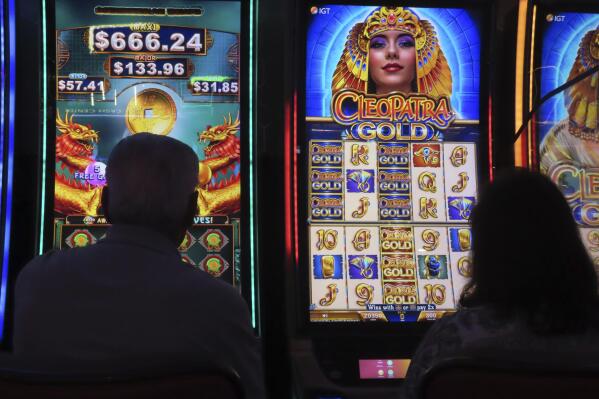
Final Thoughts on Cultural Perspectives in Gambling
Understanding cultural perspectives on gambling provides valuable insights into how societies navigate the complex interplay of luck and risk. Each culture brings its unique beliefs and practices to the table, influencing how gambling is perceived and engaged with across various contexts. As globalization continues to shape our world, the dialogue surrounding gambling will evolve, blending diverse cultural viewpoints into a richer understanding of risk and reward.
The website aims to serve as a resource for users exploring the intricacies of gambling from multiple cultural angles. By highlighting these perspectives, it fosters a more comprehensive understanding of how gambling is experienced globally. Whether engaging with online or offline gambling environments, recognizing these cultural nuances can enrich the overall experience and promote responsible participation in games of chance.