Understanding the psychology behind gambling Why do we take risks
The Allure of Risk in Gambling
The psychology of gambling is rooted in the thrilling allure of risk-taking. For many, the prospect of winning big often outweighs the potential for loss. This excitement is driven by a variety of psychological factors, including the thrill of uncertainty and the desire for immediate gratification. The rush of adrenaline that accompanies placing a bet can create a euphoric experience, drawing individuals back to casinos or online pokies and other gambling platforms.
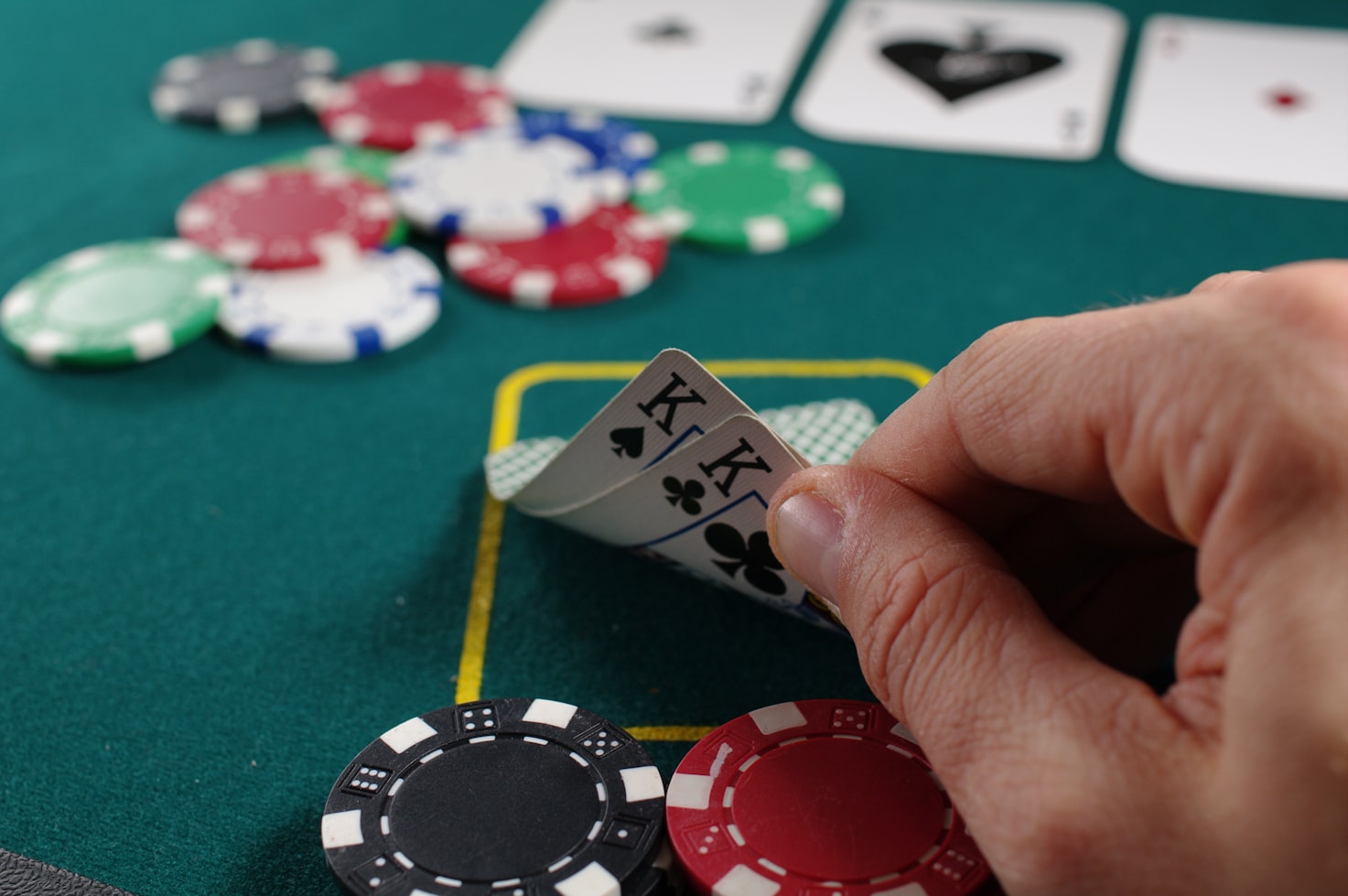
This phenomenon can be explained by the concept of loss aversion, where the fear of losing something is more powerful than the joy of gaining something of equal value. As a result, gamblers may become fixated on the idea of recovering losses, perpetuating a cycle of risk-taking that can lead to significant financial consequences.
The Role of Cognitive Biases
Cognitive biases play a substantial role in gambling behaviors. One notable bias is the illusion of control, where individuals believe they can influence the outcome of games that are fundamentally based on chance. This perception can lead to overconfidence and reckless betting, as players feel empowered to make decisions that they believe will yield favorable outcomes.
Additionally, the gambler’s fallacy contributes to risky behaviors, where individuals think past losses increase the likelihood of future wins. This distorted thinking can lead to persistent gambling despite mounting losses, as players cling to the hope that their luck is bound to change.
The Impact of Social Environment
The social environment surrounding gambling can significantly influence an individual’s decision to take risks. Peer pressure and the desire for social acceptance often drive people to engage in gambling activities, particularly in settings like casinos where group dynamics come into play. Friends and family can inadvertently encourage risk-taking behavior, creating an environment where gambling is normalized or even celebrated.
Furthermore, social media has amplified the visibility of gambling, with influencers and celebrities often portraying it as a glamorous and rewarding activity. This exposure can heighten the desire to participate, tempting individuals to take risks they might otherwise avoid in a less socially charged atmosphere.
The Neuroscience of Gambling
Neuroscientific research reveals that gambling activates specific brain regions associated with reward and pleasure. The release of dopamine during gambling creates a sense of euphoria, reinforcing the desire to repeat the behavior. This neurological response can make it challenging for individuals to resist the urge to gamble, even when they recognize the risks involved.
Moreover, brain imaging studies have shown that habitual gamblers may develop altered brain structures, affecting their decision-making processes. This biological predisposition can lead to compulsive gambling behaviors, as the brain’s reward circuitry becomes increasingly reliant on the thrill of taking risks.

Explore More About Gambling Psychology on Our Website
Our website serves as a comprehensive resource for understanding the complexities of gambling psychology. We provide insights into the various factors that influence gambling behavior, from cognitive biases to social influences. Our content aims to educate and empower individuals to make informed decisions regarding their gambling activities.
Stay tuned for more articles, expert interviews, and the latest research findings that delve deeper into the fascinating world of gambling psychology. We invite you to explore our platform and enhance your understanding of why we take risks in gambling and beyond.